Housing Market News • October 16, 2018

September Housing Market Update

The September Housing Market Update was held live on Facebook Tuesday, September 18 at 2 p.m.  If you missed the live webinar,  you can view it at your convenience by clicking here.

You can sign up for updates at GreenTeamHQ.com/HMU.

Meet the Panel



Geoffrey Green, President/Broker of  Green Team Home Selling System, is the moderator of the webinar and presents stats and monthly market updates for Orange and Sussex Counties. Keren Gonen of Green Team New Jersey Realty, and Jacque Kraszewski of Green Team Home Selling System provide perspective on the market from the sales associate’s view.  Michael Gianetto of Residential Home Funding provides perspective from the vantage point of the mortgage broker.  Behind the scenes is Melissa Bressette, putting it all together!

Market Update – The National Perspective

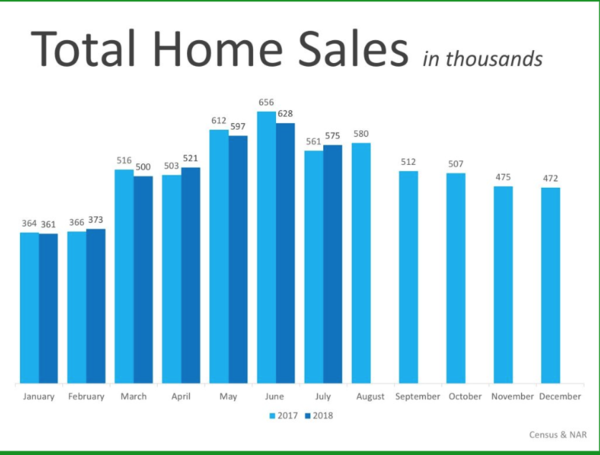
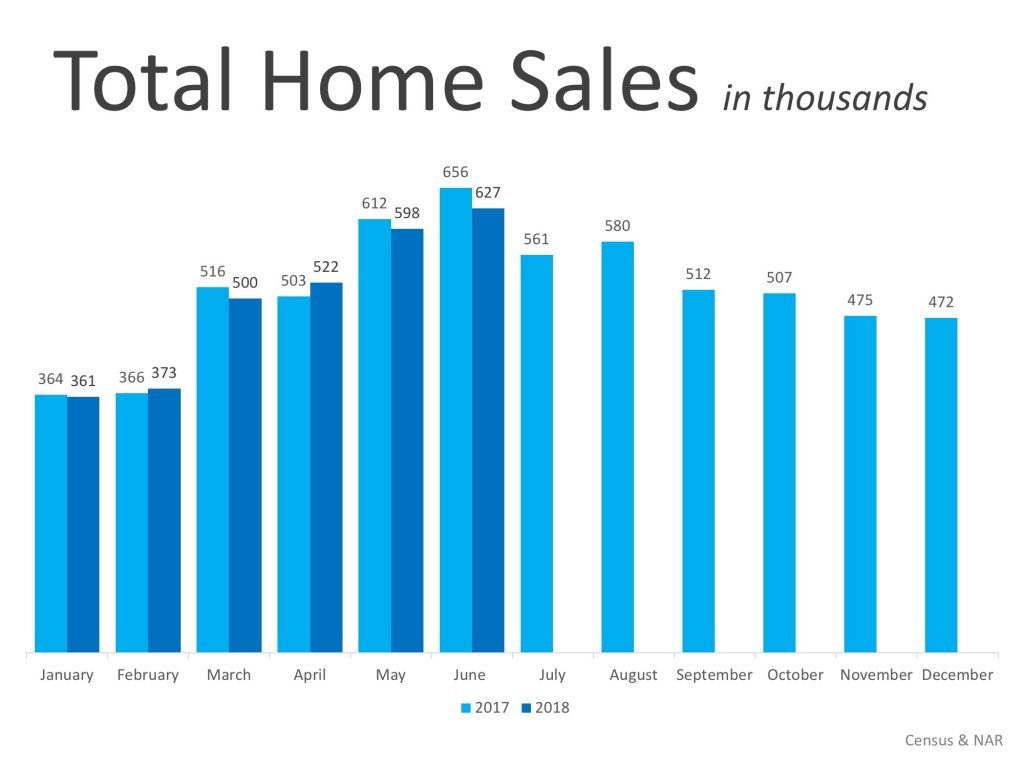
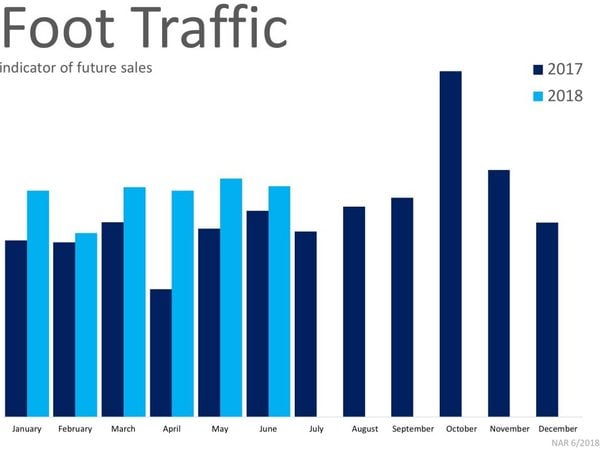
Year over year numbers –  There’s been almost no increase year over year in total home sales over 2017.  However, Foot Traffic has increased in 2018 over 2017.

From a pricing perspective, Geoff has found in his 14 years in this industry that price always lags units sold.     However, we’re still seeing substantial price increases even though units sold is cooling off.  There is typically a 6-month lag.

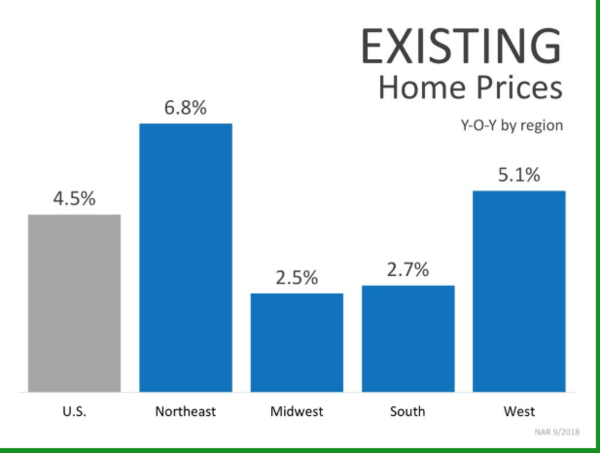
Existing home prices increased the most in the east.  followed by the west.  The market is still pretty healthy.   Locally, we still haven’t seen a huge increase in price like the 2006/2007 levels.

Market Update – Orange County

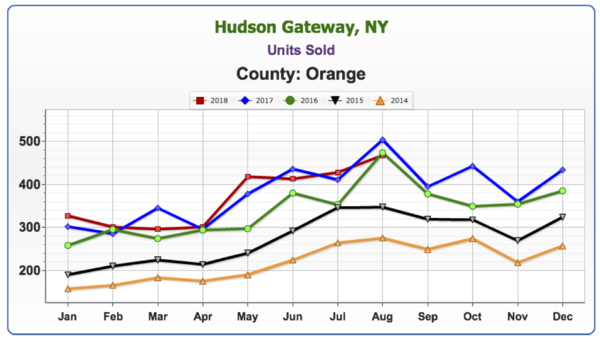
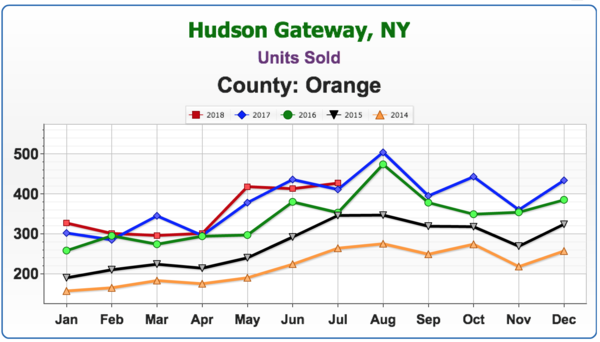
We’ve been at or below units sold for the last 3 months.

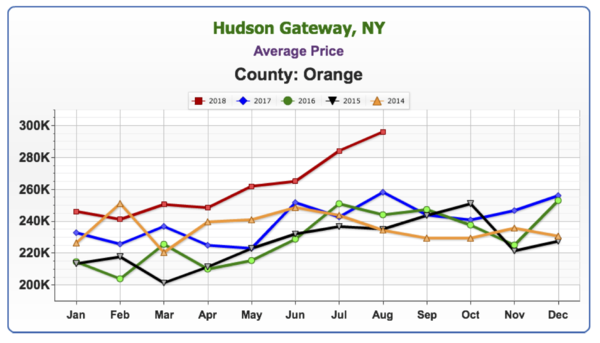
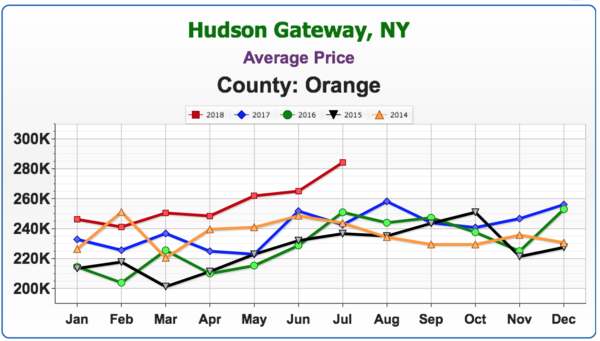
The average price has really shot up.

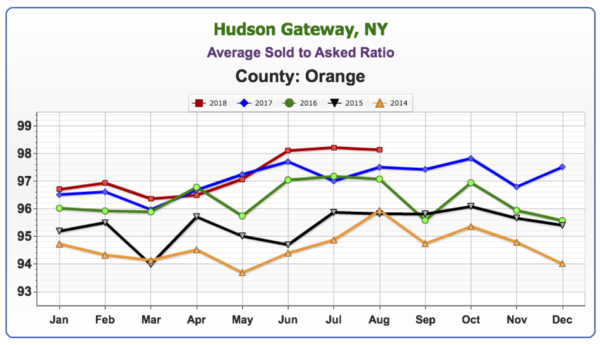
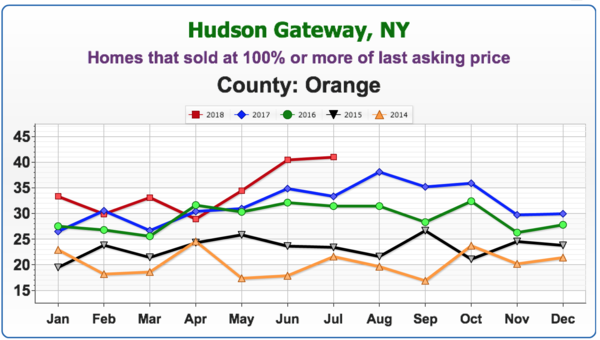
A very strong number; prices are aggressive, and there are bidding wars.


Market Update – Sussex County

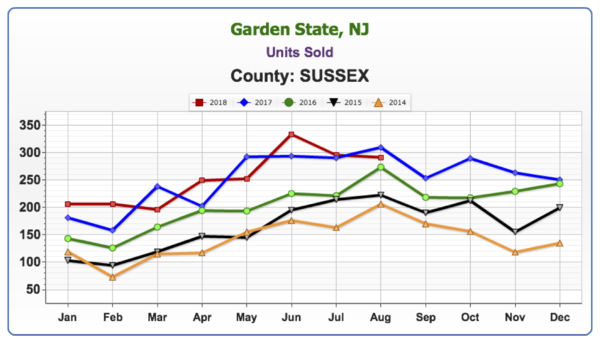
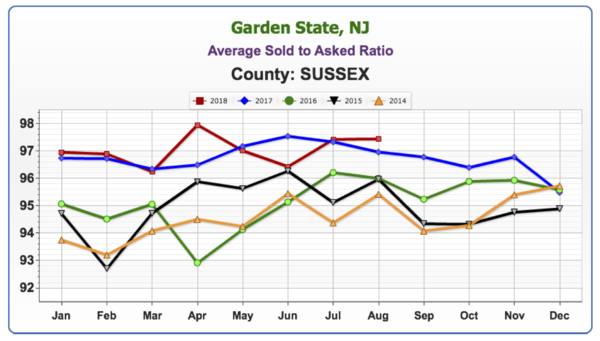
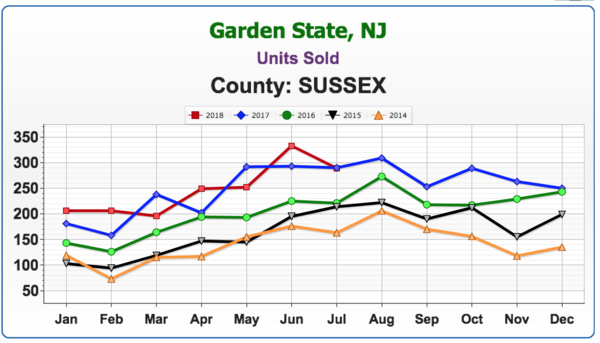
The number sold is still at historic heights, though it is a little lower than August 2017.

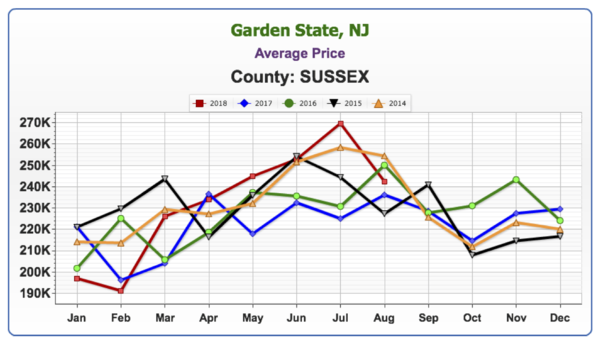
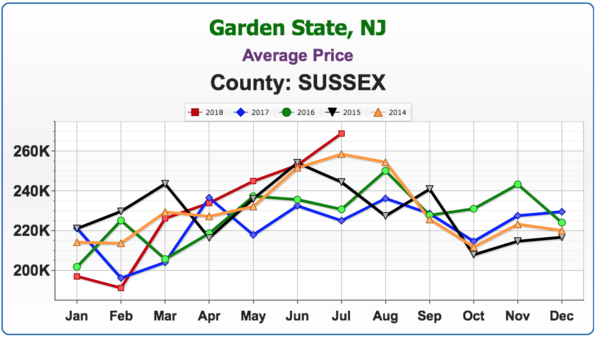
Prices went down, August was the lowest number in 3 years.  Sussex is still a vibrant market with lots of transactions happening.

Similar to Orange, at or above the 97.5%-98% range.

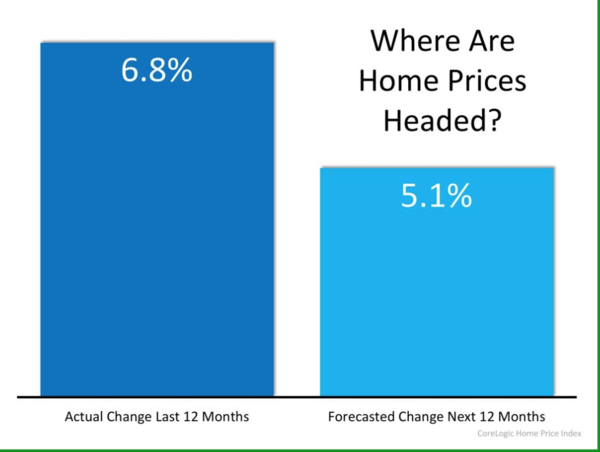
Where are Home Prices Headed?

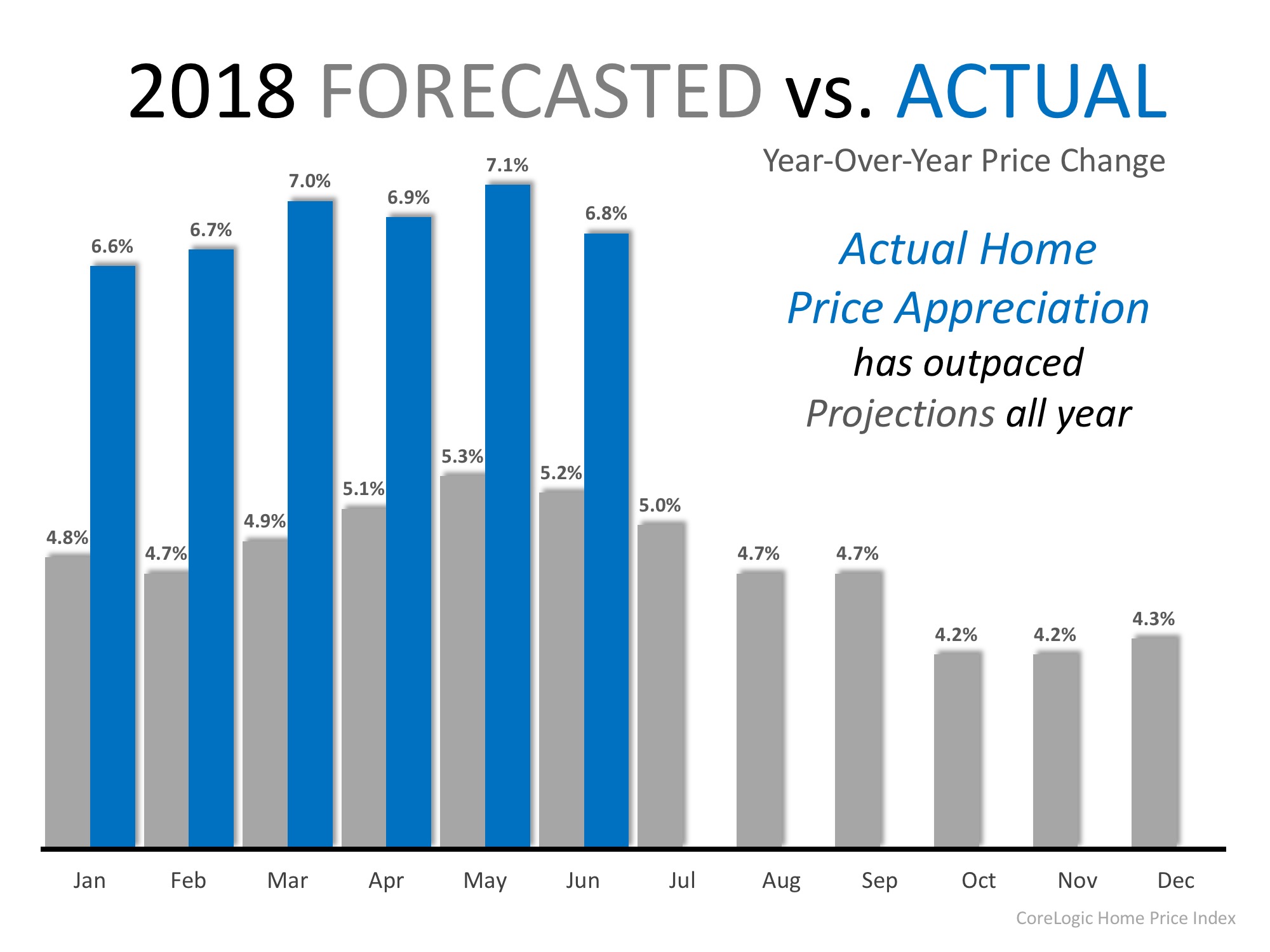
Nationally, the actual change in the last 12 months was 6.8%, a huge increase.  Corelogic Home Price Index is forecasting a 5.1% increase for the next 12 months. This does not mean that prices will be decreasing.  It just means they will increase by a lesser amount, which Geoff agrees with.  Price usually lags in what is happening with units sold, and we’re seeing that happen.  However, it is still a very robust market.

Panelists Discuss the Market

Sussex County Market

Because of the inverse numbers in New Jersey, Geoff asked Keren Gonen her opinion on what’s happening.  Keren noted that a lot of transactions had been delayed.  It was not an issue of not enough houses or buyers, but a delay in closings.  There may be a rise in units sold in September.  Regarding the lower price, the banks have released another batch of low priced homes. These usually are bought by flippers and investors, often for cash.  That can skew the numbers.  These homes were released at the end of July, closed in August. Keren invests and flips homes herself, so she is very knowledgeable on this subject. There are many more foreclosures available in Sussex than in Orange County. Therefore, that’s a major reason for the difference in home price stats for the two counties.

Orange County Market

Geoff asked Jacque Kraszewski where she thought the market was headed.  She believes we’re still in a seller’s market.  Inventory is still low. She has several buyers she can’t find houses for.  She put a house on the market and within 2 days she had 7 offers.   People may want to move, downsize, or rent. However, there are no rentals available.  The inventory is a problem for renters as well as buyers. Also, some people don’t want to sell then purchase something at a higher interest rate.

Geoff recalled one listing that had 26 offers within 3 or 4 days.  It’s hard to talk about a market cooling off when this is going on.  You want to look ahead and see what is coming…. From the number of homes being sold on a national, regional and local level, we’ve seen the highs from this last run up and he’s hoping for a soft landing – not a precipitous decline.  Jacque commented that there is usually a decline this time of year, with people who are looking to move to a certain school district now waiting for spring to find a home their children can start in, in September.

Geoff replied that there are always seasonal fluctuations, but year over year decreases, same period each year, tell the story.  We’re seeing very steady increases in units sold for 4 to 5 years.  And now, for the first time, not seeing big increases.  The market does seem to be cooling a little.

Mortgage Rates and Availability

Geoff discussed with Mike Gianetto the major factor of the last precipitous decline.  There, 50% of the marketplace was lost in a 2-year time span. This was due to the financial mess, mostly created by mortgage-backed securities. He asked Mike if we see a lot of sub-prime lending happening?  Are we seeing the mistakes of the past being repeated?

Mike said there was a period of product elimination over 1-1/2 to 3 years.  This took the market from somebody fogging a mirror to not giving any money at all. It was prohibitive for buyers less than perfect trying to buy a home.  There are now safeguards and regulations saving the downside a little.  There is a rise in products that are out there to help people buy. It allows for a lot more people in this marketplace. We have a shortage of inventory but we still have availability of credit and funding.  People are lending, the money is out there, and people can get mortgages.

Geoff noted that not only did we have a financial crisis, but also a real tightening of credit making it hard to make a comeback.   He asked Mike what’s going on with rates?

Mike said there has been a little uptake in rates.  Further, there will probably be another.  He thinks next year we may be in for lower rates.  We’re at mid to high 4’s now, for a 30 year fixed mortgage. which is still a great rate.  People will buy no matter what the rate, but this is still a very good rate.

Geoff replied that it would be good news if rates stabilize or come down next year.  He also noted that the unemployment rate is at an 18 year low as of August.  Wages are increasing. And the Construction sector added 23,000 jobs in August.  Builders are ramping up. So many people were crushed during the last downturn – plumbers, general carpenters, framers, etc.  Seeing them become the largest sector of jobs is good news.

Geoff’s take – if you need to buy or sell a home now, just do it.   Mike said they can find mortgages for most buyers.  If you’d like to contact Mike to discuss a mortgage, you can reach him at his office, 845-496-0836 or visit rhfunding.com/michaelgianetto.  You can find Jacque or Keren at greenteamhq.com

Join us for the next Housing Market Update

We’ll be on Facebook live on Tuesday, October 16 at 2 pm.  You can also sign up for our Housing Market Updates at GreenTeamHQ.com/HMU.

The Housing Market Update webinar is now sponsored by REALLY – Agent to Agent Referral App.  You can learn more at reallyhq.com


Housing Market News • September 24, 2018

How Much Has Your Home Increased in Value?

Home values have risen dramatically over the last twelve months. In CoreLogic’s most recent Home Price Index Report, they revealed that national home prices have increased by 6.2% year-over-year.

CoreLogic broke down appreciation even further into four price ranges, giving us a more detailed view than if we had simply looked at the year-over-year increases in national median home price.

The chart below shows the four price ranges from the report, as well as each one’s year-over-year growth from July 2017 to July 2018 (the latest data available). 

How Much Has Your Home Increased in Value? | Simplifying The Market

It is important to pay attention to how prices are changing in your local market. The location of your home is not the only factor which determines how much your home has appreciated over the course of the last year.

Lower-priced homes have appreciated at greater rates than homes at the upper ends of the spectrum due to demand from first-time home buyers and baby boomers looking to downsize.

Bottom Line

If you are planning to list your home for sale in today’s market, let’s get together to go over exactly what’s going on in your area and your price range. Find out what your home’s value is today – click here.

Agency News and Awards • September 21, 2018

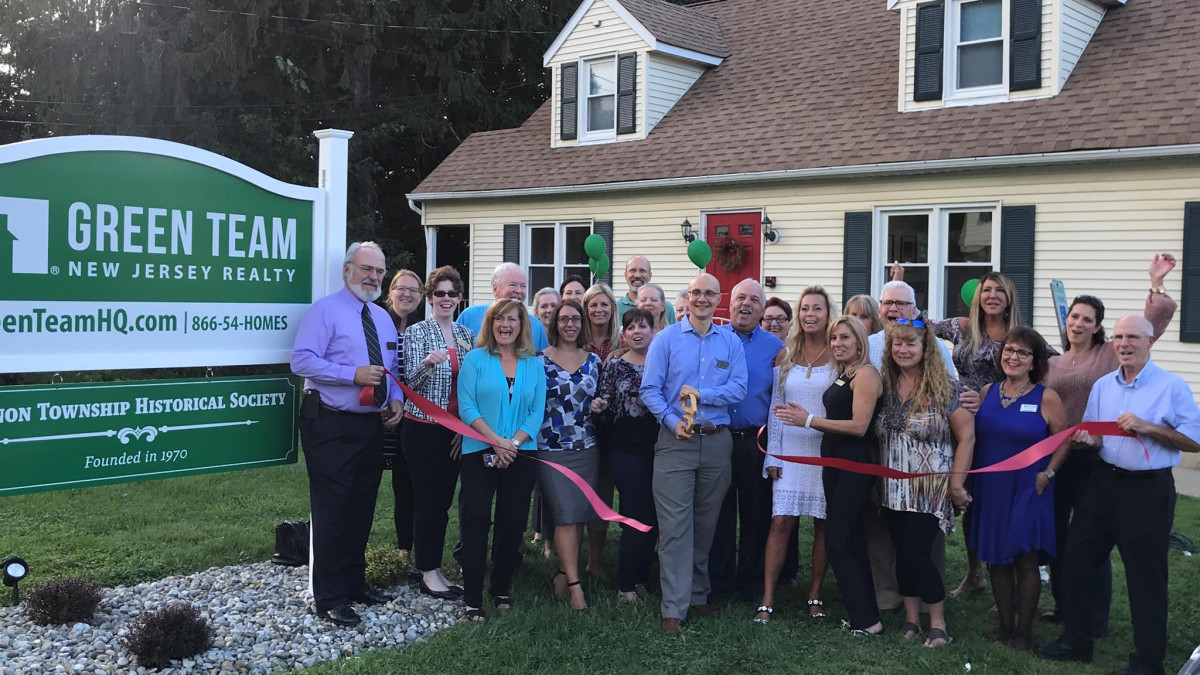
Green Team New Jersey Realty celebrates the opening of their new office building.

Green Team New Jersey Realty celebrates the opening of their new office building

Just two years and five days after the ribbon cutting that launched the opening of the Green Team’s Vernon office, a new ribbon cutting was held.   On Thursday, September 13, Green Team New Jersey Realty (“GTNJR”) celebrated the official opening of its new office building at 293 South Route 94, Vernon, New Jersey.  And the ample parking lot was perfect for the celebration that followed.  

A little history…

The Green Team Home Selling System, founded in 2005, is in the top ten of all brokerages in Orange County, New York.   When Geoffrey Green was approached by agents wanting to open an office in Vernon, New Jersey, it made perfect sense. Vernon was an underserved market, just across the border from Warwick, New York where the Green Team is based. However, even Geoff and equity partners Kim Lasalandra, Charles Nagy and Ted VanLaar couldn’t foresee the rapid growth of  Green Team New Jersey Realty.   For Charles, real estate has always been about people and making relationships.   It’s what he truly loves about the business.  However, his long term plans included retirement and relaxation.  Now Green Team New Jersey Realty and its rapid success has put all talks of retirement on hold.  There are new people to meet, new relationships to forge, and an exciting business to grow.

Utilizing the systems developed by Geoff Green, the Vernon office flourished.  At six months there were 8 sales associates. That number kept growing as agents learned about the Green Team’s core values, its unique training and mentoring programs, and its commitment to providing the best possible client service.

In 2017, six GTNJR sales associates were recognized by the New Jersey Association of Realtors for achievement and excellence in sales.  Considered among the most prestigious honors awarded to Realtors in the Garden State, the NJAR Circle of Excellence recognizes members who have excelled in the field of salesmanship.   Ann Nussberger achieved the Silver Level ($6.5 million and 20 units minimum or 70 units). Recipients of the Bronze award ($2.5 million and 15 units minimum or 30 units) were Barbara Tesa, Joyce Rogers, Charles Nagy, Keren Gonen and Theodore Van Laar.

The future looks great…

As Geoff Green so eloquently put it, “Even though we’re here to celebrate the grand opening of the new building, it’s really a celebration of the people of the Green Team.” In less than two years, Green Team New Jersey Realty has become one of the top 20 real estate agencies in all of Sussex County and is one of the top five in Vernon.  Thus, with 18 Sales Associates and a new home, the sky’s the limit. Yes, the Green Team has good reason to celebrate.


Housing Market News • September 18, 2018

Home Prices Have Appreciated 6.9% in 2018

Home Prices Have Appreciated 6.9% in 2018 | MyKCM

Between 1987 and 1999, which is often referred to as the ‘Pre-Bubble Period,’ home prices grew at an average of 3.6% according to the Home Price Expectation Survey.

Every month, the economists at CoreLogic release the results of their Home Price Insights Report, which includes the actual year-over-year change in prices across the country and their predictions for the following year.

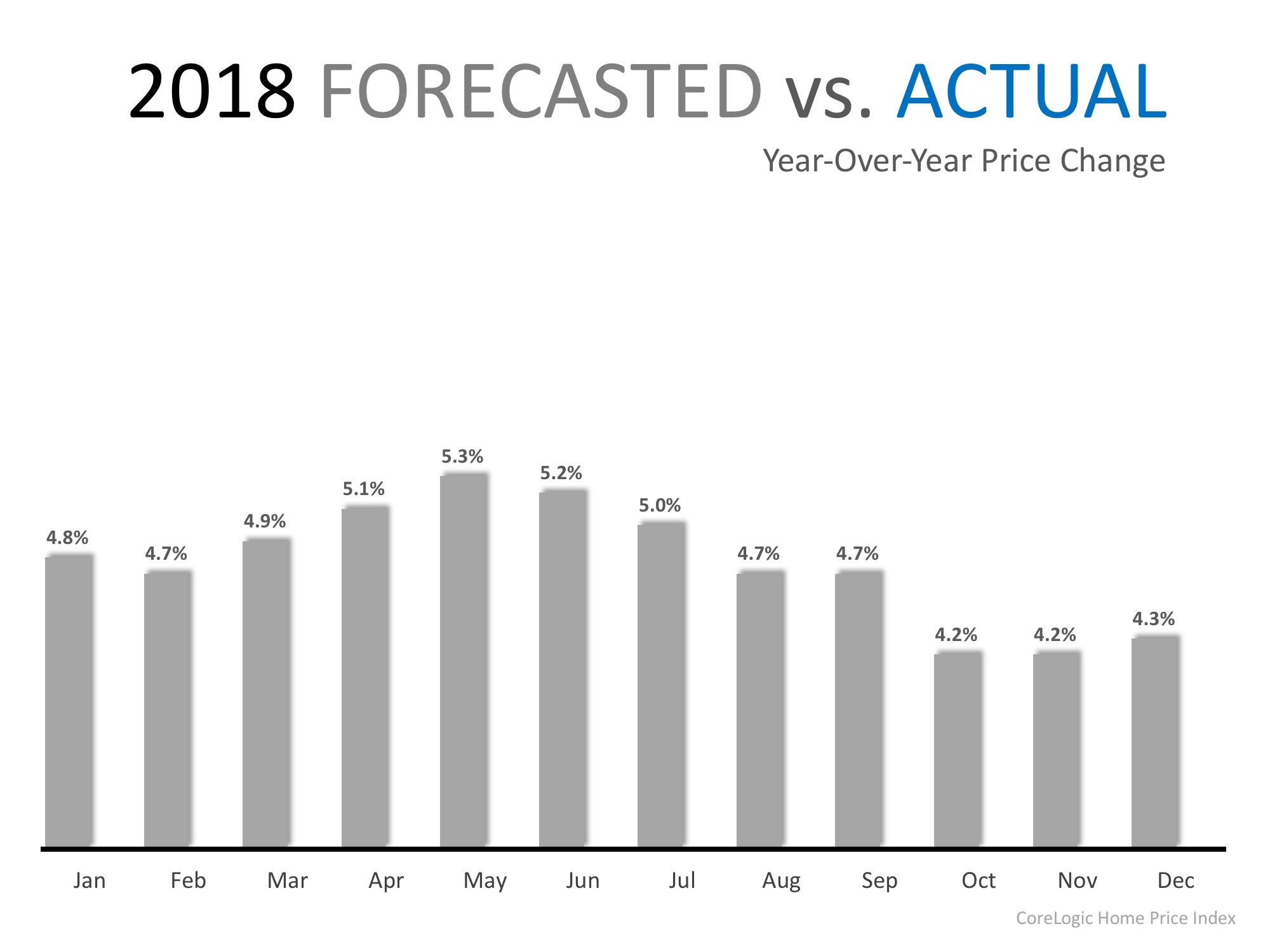
The chart below shows the forecasted year-over-year prices for 2018 (predictions made in 2017). According to their predictions, the average appreciation over the course of 2018 should be 4.8%, which is still greater than the ‘normal’ appreciation of 3.6%.

Home Prices Have Appreciated 6.9% in 2018 | MyKCM

If we layer in the actual price appreciation that has occurred this year, we can see that over the course of 2018, home prices have appreciated by an average of 6.9% and have outpaced projections all year!

Home Prices Have Appreciated 6.9% in 2018 | MyKCM

What does this mean?

The tale of today’s real estate market is one of low inventory, high demand, and rising prices. The forces at work can be simply explained with the theory of supply and demand. That being said, if a large supply of inventory were to come to the market, prices may start to appreciate closer to the forecasted rate which would STILL be greater than the historic norm!

Bottom Line

If you are a homeowner whose house no longer meets your needs, now may be a great time to list your home and capitalize on the equity you have gained over the last year to make a significant down payment on your next home! Find out what your home is worth. 

Housing Market News • September 16, 2018

Are Homebuyers Starting to Hit the ‘Pause’ Button?

For the last several years, buyer demand has far exceeded the housing supply available for sale. This low supply and high demand have led to home prices appreciating by an average of 6.2% annually since 2012.

With this being said, three of the four major reports used to measure buyer activity has revealed that purchasing demand may be softening. Here are the four indices, how they measure demand (methodology), what their latest reports said, and a quick synopsis of the report.

The Foot Traffic Report
by the National Association of Realtors

Methodology: Every month SentriLock, LLC provides NAR Research with data on the number of properties shown by a REALTOR®. Lockboxes made by SentriLock, LLC are used in roughly a third of home showings across the nation. Foot traffic has a strong correlation with future contracts and home sales, so it can be viewed as a peek ahead at sales trends two to three months into the future.

Latest Report: “Foot Traffic climbed 3.2 points to 55.8 mid-summer in July. Additionally, the diffusion index is higher than last year by 13.5 points. Despite a healthy economy and labor market, supply and new construction remains unable to keep up with buyer demand.”

Synopsis: Buyer demand remains strong.

The Showing Index
by ShowingTime

Methodology: The ShowingTime Showing Index® tracks the average number of buyer showings on active residential properties on a monthly basis, a highly reliable leading indicator of current and future demand trends.

Latest Report: “Showing activity throughout the country increased by 0.3 percent year over year in July, the third consecutive month that the U.S. ShowingTime Showing Index recorded buyer interest deceleration compared to the previous year. The June 2018 figures revealed a 0.0 percent change in showing traffic from 2017, while May showed a 1.2 percent year-over-year increase. The 12-month average year-over-year increase was 4.6 percent.”

Synopsis: Buyer demand is softening

Realtors Confidence Index
by the National Association of Realtors

Methodology: The REALTORS Confidence Index is a key indicator of housing market strength based on a monthly survey sent to over 50,000 real estate practitioners. Practitioners are asked about their expectations for home sales, prices and market conditions.

Latest Report: “REALTORS reported slower homebuying activity in July 2018…The REALTORS® Buyer Traffic Index registered at 62, down from the same month one year ago (69). This is the fifth straight month (since March 2018) that Realtors reported a decline in buyer activity compared to conditions one year ago.”

Synopsis: Buyer demand is softening

The Real Estate Broker Survey
in the ‘Z’ Report by Zelman and Associates (subscription needed)

Methodology: Proprietary survey results of real estate executives.

Latest Report: “While we continue to expect a resumption of growth in resale transactions on the back of easing inventory in 2019 and 2020, our real-time view into the market through our Real Estate Broker Survey does suggest that buyers have grown more discerning of late and a level of “pause” has taken hold in many large housing markets. Indicative of this, our broker contacts rated buyer demand at 69 on a 0-100 scale, still above average but down from 74 last year and representing the largest year-over-year decline in the two-year history of our survey.”

Synopsis: Buyer demand is softening

Bottom Line

Again, three of the four most reliable measures of buyer activity are reporting that demand is softening. We had a strong buyers’ market directly after the housing crash which was immediately followed by a strong sellers’ market over the last six years.

If demand continues to soften and supply begins to grow (as is projected to happen), we will return to a more neutral market which will favor neither buyers nor sellers. This “more normal” market will be better for real estate in the long term.

Want to know what your home is worth? Get a quick and free home valuation report – Click Here

Buying a home • Mortgage and Home Loans • September 5, 2018

8 things to avoid when purchasing a home

The last thing in the world you would ever want is to spend a bunch of time searching for a home, finding that perfect place, and then not being approved for your mortgage. There are also many common mistakes homebuyers make that could make the process much more painful than it has to be.


1) Don’t overestimate your budget.

Ever heard the expression “House poor“? Many homebuyers overestimate what they can actually afford and end up with very little wiggle room financially. Before jumping into buying, make sure you have a realistic idea of the yearly costs involved with owning a home.

Remember, there is your mortgage, property taxes, utilities, insurance and repairs. All of this before you even think about making upgrades. Factor in all the costs and leave yourself some room.

2) Don’t let your emotions run wild.

Buying a home is one of the biggest decisions of your life. It’s normal to be excited and fall in love with a home. However, try to keep a level head. Falling in love with a home can cloud your judgement or end in disappointment. This can happen if unforeseen issues are exposed in the inspection or if someone puts in an offer before you.

If you don’t find a home… don’t get discouraged. Home searching can be a lengthy process. It will be worth it when you find the winner.

3) Don’t talk to sellers about plans for the house.

As much as you are excited to get in and put your personal touch on the home, it’s best to keep this to yourself. Sometimes home buyers meet and get to know the home owners. This is fine, but remember that the current owner will have an emotional attachment to the property.

It’s best not to make them feel like you’re going to come in and completely change the place. If you make conversation with the owners, just keep the conversation light.

4) Don’t withdraw or deposit a lot of cash.

Going further with your financial history, cash withdraws and deposits also play a part in your mortgage approval rate. Large quantities of cash going in or out of your accounts signals a warning sign that you do not have stability. Avoid any sporadic withdraws or deposits of large sums of cash.

5) Don’t apply for more credit.

The amount you are approved for on your mortgage comes down to your capital. How much money do you have at your disposal? Applying for extra credit increases your debt. This extra debt decreases the amount you will be approved for on a mortgage.

6) Don’t co-sign a loan.

While a loan may not technically be yours – it will still equally count towards your overall debt. Co-signing a loan can have an impact on not only the amount of your mortgage but approval rate in general. Avoid co-signing any loans until you have purchased your home.

7) Don’t finance a car or furniture.

As financing is again a loan, it is therefore debt. Stay away from financing a car or furniture for the above mortgage approval reasons.

8) Don’t switch or leave your job.

Financial stability is one of the most important factors considered when a bank is approving your mortgage. The key to financial stability is having a dependable income. If you switch or leave your job, often or before applying for a mortgage, this may signal red flags.

If you are thinking about a move, hang tight with your job until after your mortgage is approved.

Ensure you don’t make these mistakes

There are many important things to consider when purchasing a home. It is one of the biggest decisions of your life.

In order to ensure that you get the house you want, when you want it, you need to understand and follow those above tips. Doing so will increase your chances of finding that perfect home and getting it. Remember that financials are very important when it comes time to apply for a mortgage. Make that your priority.

Also keep in mind the emotional aspects of purchasing a home and try to stay cool. It can be a draining process, but it will be worth it when you get the keys to the castle! Contact one of our Sales Agents today to help you through every step of the home buying process.


Buying a home • Mortgage and Home Loans • September 5, 2018

Should I Rent or Buy a Home?

Choosing whether to rent or buy a home is not an easy decision. It requires you to carefully examine the factors and costs associated with each option. Which is better? That depends.

Your unique economic situation, lifestyle and goals play the largest part in deciding what is better for you. It’s important to go into your calculations with open eyes. As much as you want a home, you may not be able to afford it. Or it may not be the right decision for the way you like to live.

Factors To Consider When Buying/Renting a Home

The following four points are the largest factors to consider when weighing the pros and cons of home ownership vs. rental.

1) What are the total costs?

Many people look at the economics of home-ownership as a mortgage payment only. In reality there are insurance, repairs, property tax, homeowners association dues etc. that all have to be factored in to your monthly costs. Check out this calculator from the New York Times to see more.

Use a calculator and compare to see if:

  1. The monthly cost as a homeowner is less than renting.
  2. You can afford the monthly cost (if it works out more than renting in your area)
  3. Saving a 10-20% down-payment is feasible for you

If owning a home definitely the way to go for you, you need to be able to answer the above questions definitively.

2) What is important to you?

Are you more interested in building for the future, or reducing your financial risk until you can figure out a plan? You may want to own if you are thinking about starting a family. But as someone who is single, you may enjoy your freedom and having less financial debt. (Even if it is building your net worth in the long run)

Undoubtedly, buying a house only makes sense if you plan to set up roots. If you plan to move within (or every) 5 years, your transaction costs will likely bring the equity you build in your house to zero. Thus diminishing your upside while carrying all of the liabilities that come along with home ownership. Owning a home is a smart decision if you plan to stay for 10 years or more.

3) What is your preferred lifestyle?

Do you want to build a career in a specific city or travel around? Do you have long-term goals in mind? It’s okay if you don’t. The most important part is being aware of where you are at. You may want to get some international work experience or try your luck in another part of the country. Or not.

Really think about what you want. You could lose some serious money if you buy a house and sell within a few years because you decide it isn’t for you.

4) What are the opportunity costs?

Think about the pros and cons of home-ownership. On one hand, you will always have a home base. On the other, you have a property that ties you down to a geographical location. Can you make more money in another city? With a home, you can’t move to pursue those opportunities.

If rent is equal to monthly payments as an owner, think about the opportunity costs of having all of your money tied up in the house. For example, some investors may rent and opt to invest their money in the stock-market or other investments in their portfolio. Can you make higher percentage returns yearly with the money you would be using for a down payment?

The above were things you will want to consider. If you need to be realistic to make the right decision about renting vs owning a home. The below two situations may help if you aren’t able to come to a conclusion.

When is Renting a Home Better?

Despite popular belief, owning a home is not always the best decision. Let’s not be black and white. It depends on your particular situation.

You may want to rent if:

  1. You want to travel and set-up shop in different places every few years.
  2. You do not have the job or financial security to (realistically) guarantee payments for years to come.
  3. You have demonstrated the ability to make better financial returns through other investments.

There are other factors. However, this is a good starting point to help you determine your argument for renting versus owning a home. The benefit of renting is not being tied down to a geographic location and being able to leave when your lease runs up.

When is Owning a Home Better?

Owning a home is the long-term game. You need to have your goals in mind and understand if you can afford it.

You may want own if:

  1. You are okay with staying in one place for 10 years or more.
  2. You have the financial stability to afford the home (and float payments if you lose your job)
  3. You want to leverage your home as an investment property down the line (through rental)

Owning a home gives you an anchor. It helps you stay grounded by having a home base. At the same time, you can increase your upward potential by leveraging the home as an investment property.

Some food for thought

Choosing to rent or own your home is a big decision. It depends on your individual situation and vision for the future. In short, owning is traditionally the better long-term strategy. However, that’s not to say that you can’t do as good or better with the right investment portfolio.

Before jumping into anything, analyze yourself. Think hard about where you are and what you want for the future. Speak to a realtor and see if they have any advice for your individual situation.

If you are looking at purchasing property in the area, give Green Team Realty a call. We’d love to discuss your options and see if buying is the right path for you.

Housing Market News • August 30, 2018

August Housing Market Update

The August Housing Market Update was held live on Facebook on Tuesday, August 14, at 9 a.m.  If you missed the live webinar, you can view it at your convenience by clicking here.

Next month, the Housing Market Update webinar will take place on Tuesday, September 18 at 2 p.m.  You can sign up for updates at GreenTeamHQ.com/HMU.


Meet the Panel

Geoff Green

Keren Gonen

Patrick Keelin

Jeff Lobb


Geoff Green moderated the webinar and presented statistics for Orange and Sussex Counties.  Keren Gonen, of Green Team Real Estate New Jersey and Green Team Home Selling System, gave her perspective on the market from the sales associate’s view.  Guest panelists were Patrick Keelin, Branch Manager of Family First Funding’s Warwick office, and Jeff Lobb, Founder and CEO of SparkTank Media.  Green Team’s Marketing Director, Melissa Bressette, was on hand to make sure everything ran smoothly.

Housing Market Update – National


Nationally,  for the last two months, the number of homes selling is down slightly from 2017.  Earlier in the year it was almost even. There is a mixed bag, not a continued trend. Common knowledge says it’s all about inventory.  There are just not enough homes for all the buyers out there.

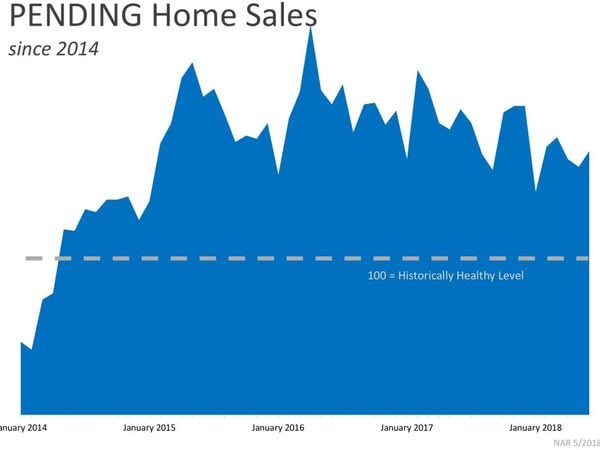
Pending home sales seem to be trending downward nationally.

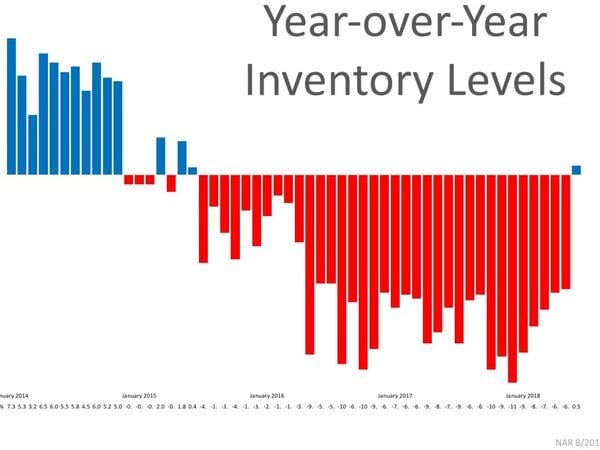
The National Association of Realtors shows year-over-year inventory levels up for the first time in 36 months.  It may be a good sign, though it may also be indicative of the market slowing a little.  However, foot traffic is up in 2018, compared to 2017.  This graphic represents the numbers of people actually in homes, looking to buy. This number has been up consistently all year, though sales are down on a national level.  From a national perspective, it’s still a very solid market.

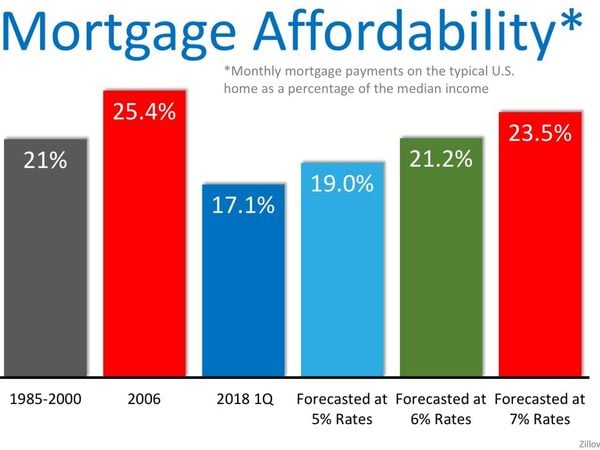
From 1985 to 2000, 21% of household income was dedicated to mortgage payments.   In the first quarter of 2018 we’re well below that number.  At 17.1%, we’re about 4 points below the historical average over the last 25 years.  Therefore, even though prices are rising and inventory is tight, homes are still relatively affordable compared to 1985 to 2000.  Even if rates do get to 6% or so, household income dedicated to mortgage payments will be only a few points higher than the 1985 to 2000 average.

Housing Market Update – Orange County, NY

Getting down to local stats, although at a slowing pace, the numbers are still at historical levels.  In our area, where the current number of homes selling is the equivalent of 2006 (which was one year after the absolute peak in the market that occurred in 2005), the rate of sales is historically very high.  This is a very hot market.

Average price is clearly rising in 2018.  Geoff noted that in his experience units sold would increase, but average price didn’t quite get there.  Then, units sold would start to decrease but price didn’t follow that trend, with a lag of about 6 months.  There was almost a 2-year lag in average price that came after the downturn in the market.

Approximately 40% of homes are selling at 100% or more of their last asking price.   There are a lot of bidding wars going on, and this is indicative of how hot the current market is.

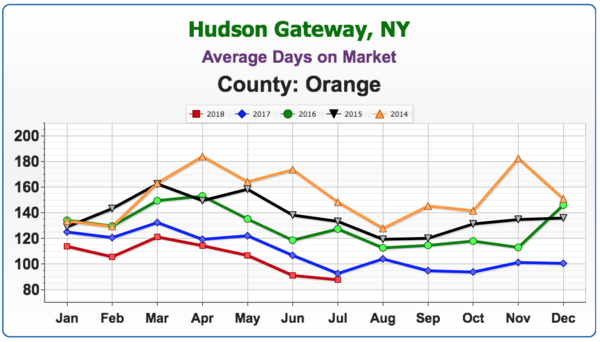
This number continues to decline, another sign that this market is hot.

Housing Market Update – Sussex County, NJ

The stats are showing a fluctuation in the number of units sold in Sussex County.  It’s a mixed bag – some months below, some months above. No definitive trend has emerged.

Not quite the lift-off that’s occurring in Orange County, but after the first two months of 2018, there is a definite rise in average price and July is at the highest point of the last five years.

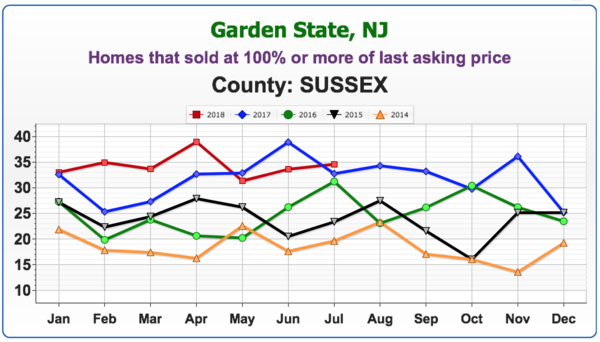
While not quite as high as Orange County, between 30 to 40% of homes are selling at 100% or more of last asking price.

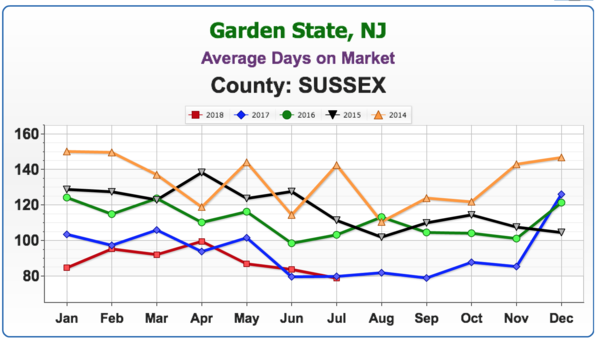
We’re seeing a similar trend to New York, with homes selling at around the 90-day mark.

Keren Goren – A Sales Associate’s Perspective on the Market

Geoff asked Keren Goren, one of Green Team’s top producers, for her thoughts on the current market.  Licensed in both New York and New Jersey, Keren finds that there are many prospective buyers for both Orange and Sussex Counties. Lots of bidding wars are going on.

She does feel that some of the flippers in the area are doing less and asking for more.  This appears to be a new trend.  Keren recalled that flippers used to do a much better job, but many houses on the market now are unfinished and are scaring buyers away as opposed to inviting bids.  Therefore, some outdated homes are actually selling for prices higher than they should or would have a few months ago.

Keren sees no sign of the market slowing down.  However, she is seeing delays in closings due to issues with some mortgage companies, and with buyers making poor decisions with their finances. Keren did note that her experiences with Family First were extremely positive, and she highly recommended them.

Geoff noted that the current market upturn stands a chance at longevity.  Following the downturn, as deep and as long it was, people weren’t moving.  Banks have since cleaned up their balance sheets, tightened programs up, and are making money. There are fewer defaults happening.  Basically, everything depends on how much money the banks are willing to lend.

PJ Keelin – A Lender’s Perspective

The mortgage industry is doing well, offering a lot more first-time homebuyer programs with as little as 3% down, USDA becoming very popular in Orange and Sussex County areas.  Also trending is loosening up a bit and coming up with more portfolio loan products, personal products and using common-sense underwriting and ability to fund when looking at today’s borrowers.

With homes in the $200,000 to $300,000 price range becoming few and far between, they are looking at different programs, such as adjustable rates, less money down, and interest only type payments.  However, in these cases, information and education should be given to borrowers upfront.  It’s necessary to prepare the borrower for everything that will come together throughout the process.  It’s extremely important for borrowers to be aware of what they are getting into with these products and understand how they work.

Geoff noted that with the last downturn, banks were not requiring people to have much “skin in the game.” Zero down, lying about income, jamming loans through.   Geoff asked if PJ was seeing any of those practices coming back, or if there remains more oversight. scrutinizing income and the buyer’s comprehensive financial situation, down payments, etc. before loans are going out.

PJ replied that FANNIE and FREDDIE are doing a great job operating more with common sense with people who can have a little more risk, etc.  They are requiring more skin in the game.  Banks are protecting themselves and borrowers by not letting people put themselves under water.

Where are mortgage rates headed?

Geoff noted that the Fed has been raising short-term interest rates and will probably continue to do so to stifle inflation.   He asked PJ where he saw mortgage rates landing over the next 12 to 18 months.  PJ answered that he believes rates will be consistently in the 5’s through most programs.  The market is being built into where those rates are and is slowly trending. Supply and demand are balancing each other out.   Geoff feels that if you buy now, the value of your home won’t drop out like it did 12, 14 years ago.  Pricing levels appear to be realistic and should hold for some time in the future.  Buyers want to know if the asset they’re buying will be worth at least as much or more than they’re paying now.  Even though it is a seller’s market, Geoff and PJ concurred that it is a good time to buy.

Furthermore, PJ stated that appraisers are not allowing appraisal inflation to come above where the market truly should be.  It’s better for appraisers to be a little tight because that will keep the longevity of this strong market going on for 12, 18, 24 months.  Geoff replied that appraisals have been challenging over the last 3 years.  Prior to the upturn, prices were a mixed bag, leaving appraisers unwilling to take a chance as they couldn’t see where the market was going. However, he noted that now some appraisers are more willing to take a chance and make an allowance because of the steady upward-trending market, even though there might not be a comp that can exactly substantiate it.  There are fewer appraiser issues, though there are still times when they won’t go along with the offering price.  This hurts the seller but protects the buyer. And it’s another way of controlling the market.

Jeff Lobb – A Marketing Expert’s Perspective

Geoff asked Jeff for his views on the future of service providers in the real estate industry in this age of technology.  Are realtors going to be the next victims of business models like Amazon?  Will technology replace realtors just as retail stores (like ToysRUs) and their employees have been replaced?

Jeff’s view?  While buzzwords like “disruption” do sell media, there are things happening at higher levels.  However, the real estate agent is not going away anytime soon for one simple reason.  There are too many moving parts to a transaction, and emotion is one of those.   Technology has not reached the stage where it can handle all these parts.

Disruption occurs with more brands trying to change the way we are doing business, making it faster, more tech, or more niche. New companies are coming into play.   Compass,  Redfin models, Purple Bricks.  And new people are coming into the space trying to change and elevate what we do.  At the same time. the industry has seen some large teams leave major brands, saying they can do things better by themselves, without the big brand box.

Taking care of business…

One way to keep track of business is to every day look at local inventory.  If there are 500 listings, see how many of those you got.  If it’s only 2, there is a lot to be done.  The business is a marathon; it’s a competitive race, but not many have enough drive to do the hard work that’s needed.  To say the business is slow is not valid.  Every day more homes come on the market and more get sold.  Someone is getting those listings.  And that is where the challenge comes in.  It’s about doing the day-to-day work.  All the technology that is available can make us work faster and smarter, but we still have to do the work.

Philosophically speaking…

Geoff has a broader perspective as to where realtors stand and what the future holds.  As an example, despite all the tools available online there are more travel agents now than in the year 2000.  It takes time to do all the research, etc., and many people are finding it more desirable to hire someone to do that work for them.

There has been an explosion of information and technology, but at the end of the day, it’s time.  Do most people want to spend the amount of time it takes to properly sell their house or negotiate to buy a home?   Most people prefer to hire a real estate professional to handle all the parts of the puzzle.  In addition, Geoff believes the housing market is important to the overall US and global economy.  The economy is revving. largely because of the housing market healing and coming back. And real estate agents are critical to the health of the economy.

Jeff added, “Will Amazon and Facebook get into the real estate marketplace?  Probably!”  The big picture is that some companies are coming in trying to acquire agents and market share. Others are trying to change the way technology is driven.  However, you still need the people to execute the transactions and deal with the emotional process of a sale.

Geoff’s final analysis?  We, humans, are complicated beings, and it takes a human to navigate this process of buying a home.    And after much consideration,  we should continue to invest in real estate agents and our industry because we’re needed and timeless.

Visit our website, greenteamhq.com/HMU to register for our next Webinar on Tuesday, September 18 at 2 pm. You can also view previous webinars videos and access other recaps like this.


Agency News and Awards • Commercial and Investment Real Estate • August 21, 2018

Vikki Garby receives her Commercial and Investment Real Estate Certification

The Green Team is pleased to announce that Vikki Garby has received her Commercial and Investment Real Estate Certification. Vikki’s new certification, coupled with her previous work experience, further strengthens her skill set when it comes to assisting real estate investors and commercial clients. Not only is she Commercial and Investment Real Estate Certified (CIREC). Her own experience informs her knowledge and ability.

A 1997 graduate of Cornell University, Vikki worked for Deutsche Bank in New York City as an investment banker.  There she reviewed and negotiated complex contracts on a regular basis. During that time, she also became a real estate investor.  And she negotiated transactions as a buyer. Her love of real estate and her skill at navigating its many transactional parts lead her to obtain her license so that she could help others

The CIREC Program

The intensive CIREC program covers a wide range of topics vital to commercial and investment transactions.  Among them are the financial related aspects. These include tax implications of selling a property, 1031 Exchanges, valuing properties for sellers, preparing a financial analysis of properties for investors, and comparing financial impacts of leasing vs. buying for user buyers.

Buying a home • August 19, 2018

Home Inspections: What to Expect

[et_pb_section fb_built=”1″ _builder_version=”3.0.47″][et_pb_row _builder_version=”3.0.48″ background_size=”initial” background_position=”top_left” background_repeat=”repeat”][et_pb_column type=”4_4″ _builder_version=”3.0.47″ parallax=”off” parallax_method=”on”][et_pb_text _builder_version=”3.0.74″ background_size=”initial” background_position=”top_left” background_repeat=”repeat”]

Home Inspections: What to Expect

So you made an offer, it was accepted, and now your next task is to have the home inspected prior to closing. Oftentimes, agents make your offer contingent on a clean home inspection.

This contingency allows you to renegotiate the price you paid for the home, ask the sellers to cover repairs, or even, in some cases, walk away. Your agent can advise you on the best course of action once the report is filed.

How to Choose an Inspector

Your agent will most likely have a shortlist of inspectors that they have worked with in the past that they can recommend to you. HGTV recommends that you consider the following 5 areas when choosing the right home inspector for you:

  1. Qualifications – find out what’s included in your inspection and if the age or location of your home may warrant specific certifications or specialties.
  2. Sample Reports – ask for a sample inspection report so you can review how thoroughly they will be inspecting your dream home. The more detailed the report, the better in most cases.
  3. References – do your homework – ask for phone numbers and names of past clients who you can call to ask about their experiences.
  4. Memberships – Not all inspectors belong to a national or state association of home inspectors, and membership in one of these groups should not be the only way to evaluate your choice. Membership in one of these organizations often means that continued training and education are provided.
  5. Errors & Omission Insurance – Find out what the liability of the inspector or inspection company is once the inspection is over. The inspector is only human after all, and it is possible that they might miss something they should have seen.

Ask your inspector if it’s okay for you to tag along during the inspection, that way they can point out anything that should be addressed or fixed.

Don’t be surprised to see your inspector climbing on the roof or crawling around in the attic and on the floors. The job of the inspector is to protect your investment and find any issues with the home, including but not limited to: the roof, plumbing, electrical components, appliances, heating & air conditioning systems, ventilation, windows, the fireplace and chimney, the foundation, and so much more!

Bottom Line

They say ‘ignorance is bliss,’ but not when investing your hard-earned money into a home of your own. Work with a professional who you can trust to give you the most information possible about your new home so that you can make the most educated decision about your purchase.


Learn More about the home buying process, request our Home Buyers Guide or visit our Home Buyers Blog
[/et_pb_text][/et_pb_column][/et_pb_row][et_pb_row custom_padding=”12px|0px|17.5781px|0px|false|false” _builder_version=”3.18.2″ locked=”off”][et_pb_column type=”4_4″ _builder_version=”3.18.2″ parallax=”off” parallax_method=”on”][et_pb_blog fullwidth=”off” posts_number=”3″ include_categories=”34″ show_author=”off” show_date=”off” show_categories=”off” _builder_version=”3.18.2″ header_level=”h5″ header_font=”||||||||” body_font=”||||||||” border_radii=”on|12px|12px|12px|12px” text_orientation=”center”][/et_pb_blog][/et_pb_column][/et_pb_row][/et_pb_section]